
Pork Lo Mein
Soft egg noodles tossed in a dark savory sauce with pork and crisp vegetables. Twenty minutes, and the sauce is four pantry ingredients.
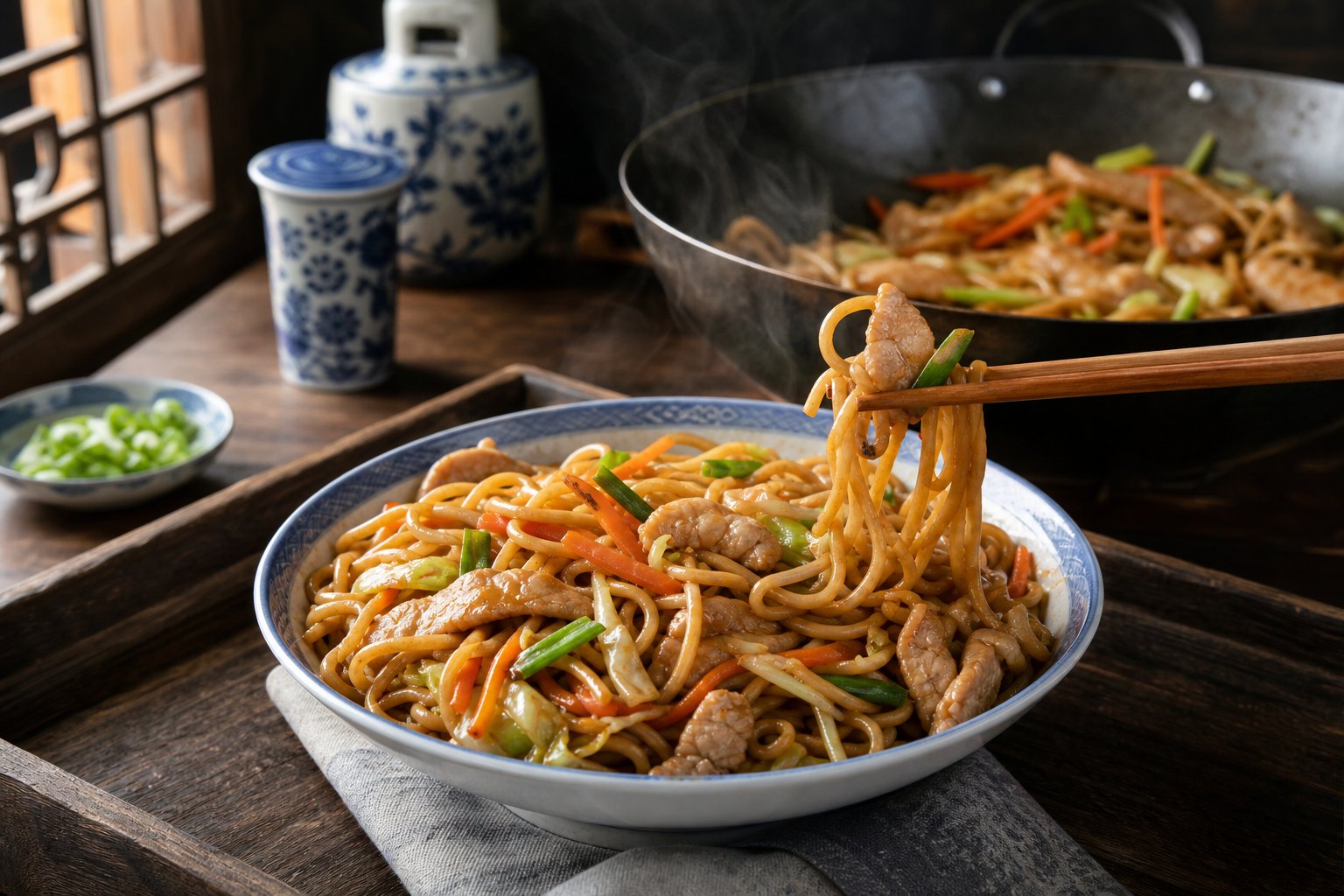
Lo mein and chow mein get used interchangeably on American menus, but the names describe two different techniques. Lāo miàn means tossed noodles: boiled, drained, and tossed with sauce and stir-fried ingredients. Chǎo miàn means fried noodles, where the noodles themselves go into hot oil and pick up crisp edges.
So the defining quality of good lo mein is that the noodles stay soft and slippery while being completely, evenly coated. That comes down to two things: pulling the noodles from the water while they still have real resistance, and tossing with tongs at the end rather than stirring with a spatula. Lifting separates the strands; stirring packs them into a clump the sauce cannot reach.
Treat the vegetables as flexible. Cabbage, carrot, and scallion is the classic combination, but bok choy, snow peas, bean sprouts, and mushrooms all work — add them in order of how long they take, hardest first.
Instructions
- 1
Toss the sliced pork with the cornstarch and a splash of water and set aside.
- 2
Boil the noodles until barely al dente — a minute less than the package says. Drain, rinse briefly in cold water to stop them cooking, and toss with a teaspoon of sesame oil so they do not weld together.
- 3
Mix the sauce: oyster sauce, both soy sauces, sugar, remaining sesame oil, and 2 tablespoons water.
- 4
Heat the oil in a wok over high heat. Sear the pork in one layer for 1 minute, stir-fry another minute until just cooked, and remove.
- 5
Add the garlic and ginger for 15 seconds, then the carrot for 1 minute, then the cabbage for another minute until it wilts but keeps some bite.
- 6
Add the noodles and the sauce. Toss constantly for 2 minutes using tongs, lifting rather than stirring, until every strand is evenly brown and glossy.
- 7
Return the pork, add the scallions, toss 30 seconds, and serve.
Cook’s Notes
- Lo mein means tossed noodles, chow mein means fried noodles. Here the noodles are boiled and tossed with sauce — they should stay soft and slippery, never crisp.
- Undercook the noodles by a full minute. They keep cooking in the wok, and mushy lo mein is unfixable.
- Dark soy sauce is for color, not salt. A teaspoon and a half turns the dish that deep takeout brown; use it instead of more light soy and the noodles will not end up oversalted.
You might also like
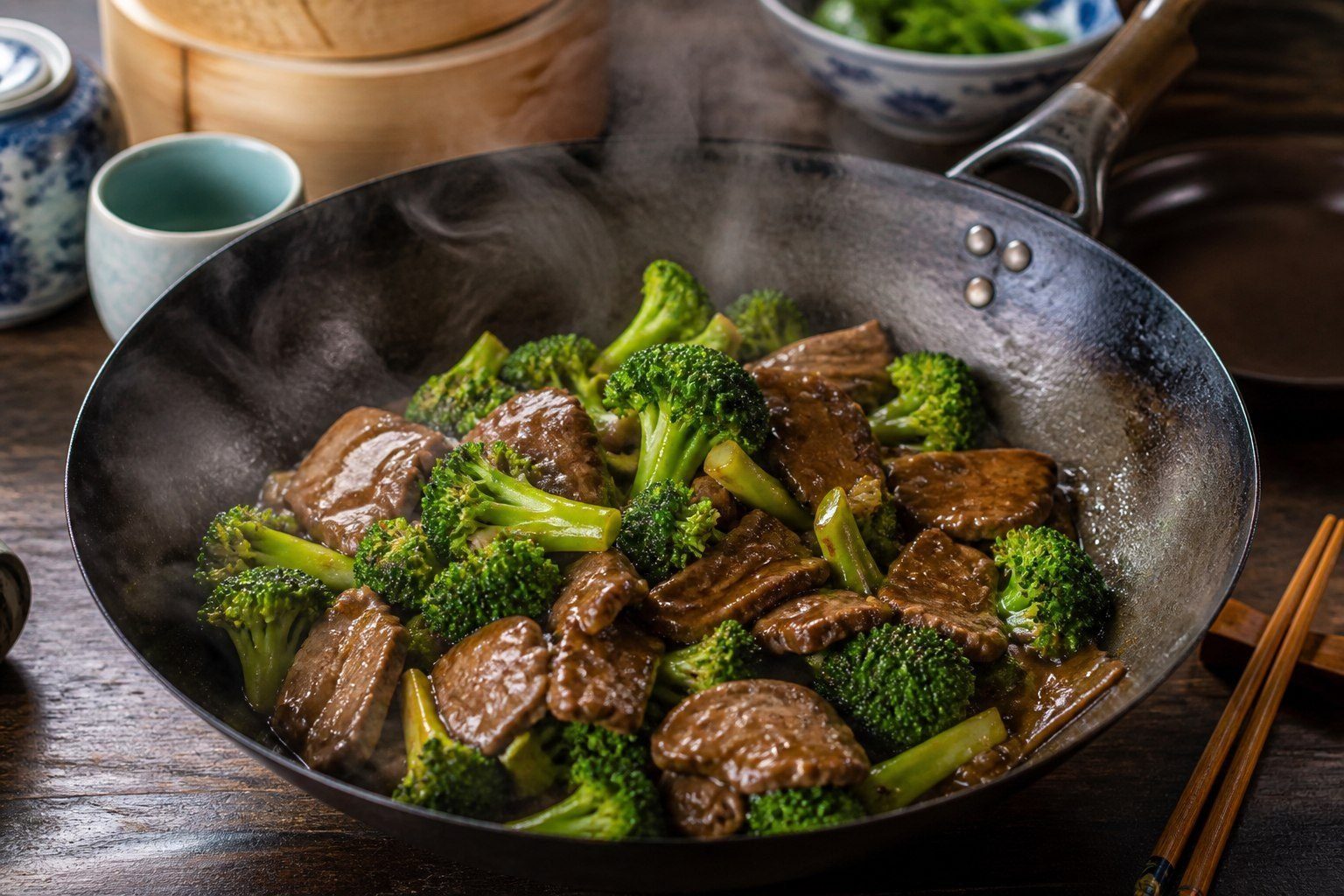
Beef and Broccoli
Silky velveted beef and crisp-tender broccoli in a glossy brown garlic sauce. Twenty-five minutes, and the tenderness trick takes just fifteen of them.
Cashew Chicken
Tender diced chicken with toasted cashews and crisp vegetables in a light savory sauce. A gentle, kid-friendly stir-fry that still tastes like something.
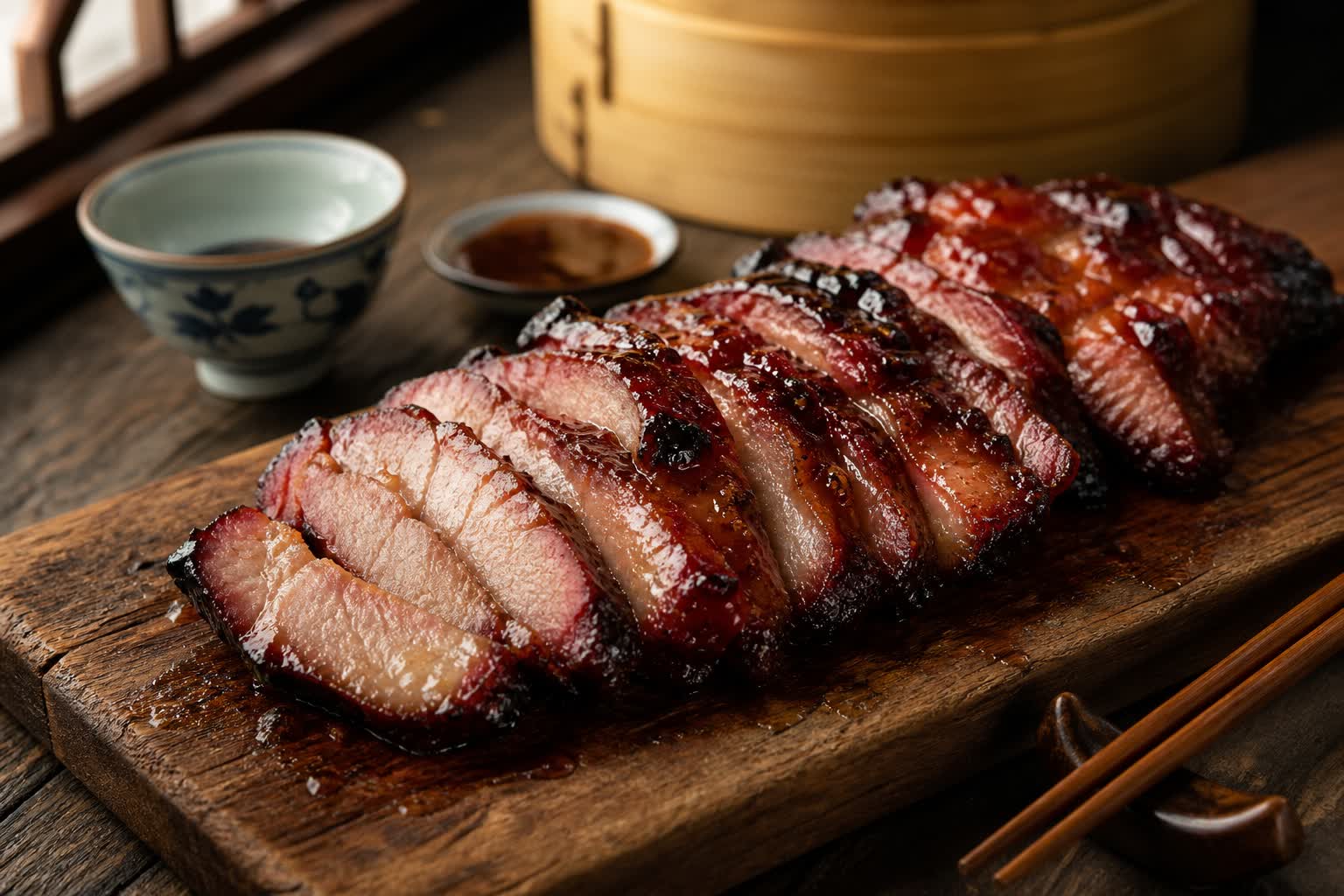
Char Siu (Chinese BBQ Pork)
Cantonese barbecue pork with a lacquered mahogany glaze and charred edges. Oven-roasted, no special equipment, and better than the shop window version.